

Moving from
France to Luxembourg

How It Works
Why choose us?
Experience is the key of success and that’s what our service providers have in abundance
5000+
50+


500+
home
improvements


Find help quick & easy!
Moovick is an all-in-one platform that provides clients with on-demand, professional Service Providers for moves and home renovation jobs in real-time for their day-to-day needs.
Car
Van
3.5T Trucks
7.5T (+) Trucks

Car (Taxi / Combo)
Perfect for small boxes, airport pick ups and luggage transfer.

Van (7-17 m3)
Great for moving studio or one bedroom apartments with basic furniture items and boxes.

3.5T Truck (20-24 m3)
Best for 1-2 bedroom apartments, small homes moves and commercials goods.

7.5T (+) Trucks
Best for 2 to 3 room apartments and upto 10 standard size pallets
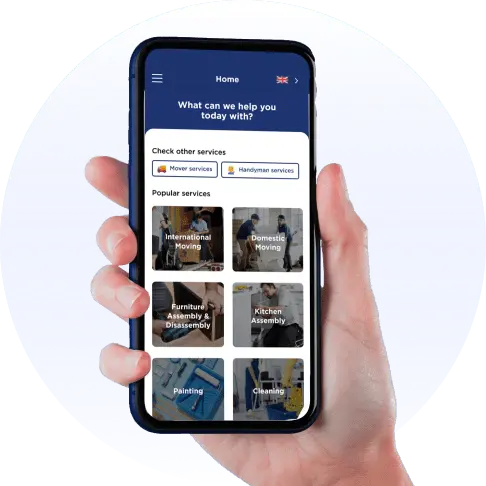
One app for all your moving needs
Download our app


What Are The Things To Know Before Moving From France To Luxembourg?
According to data from STATEC, French nationals account for 54% of Luxembourg immigrants, followed by Belgians (26%). Every year, thousands of French citizens move from France to Luxembourg for various reasons. Luxembourg is known for a strong economy, a high employment rate, and a high quality of life, making it a popular choice for French people looking to move for work.
However, moving to Luxembourg involves important steps. Your belongings need to be packed and ready, important documents need to be in order, and you'll need to find your ideal moving company. Usually, the relocation process starts with finding a place to live, then booking movers and handling the necessary paperwork.
We at Moovick will provide valuable insights into what you need to know to move from France to Luxembourg, along with answers to commonly asked questions.

FAQs
Several routes connect French cities and Luxembourg. If you're moving from Paris to Luxembourg City, expect to pay around €1,200 to €2,400 for a 30 cubic meter load, depending on how far you're moving into the city and what services the moving company is providing. Other common routes are from Metz, Nancy, and Strasbourg to Luxembourg City.
Many people also move from northeastern France to Luxembourg due to its proximity.
Luxembourg is one of the best cities to work in. The average salary in 2024 was over €75,900 a year, which is better than the average pay in France. The finance industry accounts for up to 36% of the country's money and provides many well-paid jobs. In addition, the economy is stable, attracting many international companies and providing jobs across a range of fields.
Luxembourg has a high standard of education. Kids are taught in multiple languages, which sets them up for jobs anywhere in the world. And the best part? Your salary automatically increases when the cost of living does.
- Quality-Of-Life In Luxembourg
Luxembourg consistently ranks among the best places to live in the world, offering high salaries and a top-tier healthcare system. It is incredibly safe and family-friendly, blending modern city life with stunning, accessible countryside. The atmosphere is truly international, so with so many languages spoken, it is easy to fit in without feeling like an outsider.
However, this premium lifestyle comes at a price, as housing costs can be quite steep. Overall, if you can manage the expenses, the balance of comfort, nature, and security is hard to beat.
Moving from France to Luxembourg can be stressful. To streamline your moving experience, professional movers are the go-to. Experienced movers know all the rules for moving your belongings between countries and can help make your move smooth and stress-free.
To fully focus on settling down and starting your new life, you should use France-to-Luxembourg relocation services that include packing, navigating customs paperwork, and putting your furniture together once you arrive in your new home. Relocation experts can also assist you in finding a place to live. Expat groups on Facebook and LinkedIn are great for getting advice from others who've relocated already.
If you are still considering other moving options, consider moving from France to Belgium or moving from France to the Netherlands, which are nearby countries. Many people move from France to Germany for an entirely different experience.
The best time to move is usually in March-April and October (from an expense standpoint). You can expect to pay 15-25% more during the busy season. You also get 10-20% discounts in the winter. Summer is a popular time to move, so it's advisable to book early.
Start planning at least three months before your move. Have a to-do list that includes finding a place to stay, registering the kids for school, and sorting out utilities to make sure you miss nothing.
Luxembourg City is one of the best places to live in Luxembourg because it's close to European offices and financial services. However, house prices in this city are high. The average apartment costs about €1,600-€ 1,800 per month, which might be considered expensive.
On that note, there are other, less expensive places to live. Towns up north, like Wiltz and Clervaux, don't cost as much, and they have good transport systems. Esch-sur-Alzette, the second-largest city in Luxembourg, offers urban conveniences at a lower cost.
If you're an EU citizen, preparing for your move to Luxembourg is easier. You would need documents like your passport or national ID, proof of accommodation, and any job contracts you have. You would also need to register with the local government within 3 working days of arriving.
Packing your items securely will keep them safe during the move. Clearly label each box by the room it belongs to. Since Luxembourg is in the EU, customs procedures are simple. Plan your budget well so you know how much you'll spend on moving and what you'll need when you start settling down.
Knowing how much it costs to move from France to Luxembourg can help you plan your budget. Moving companies usually charge between €1,200 and €2,400 to move anything that is 30 cubic metersfrom France to Luxembourg. If you're moving less than 25 cubic meters, consolidated freight rates can reduce the costs by 30-40%.
Other costs to consider include deposits for your new place (usually two months' rent), setting up utilities, and registering your car. In Luxembourg, single people need to make at least €2,110 a month after taxes, and couples without kids need roughly €2,912 to live comfortably.
To settle down easily, it is important to register your residence as soon as you arrive. You should also open a bank account; major banks usually work well with international residents. If you have kids, you can sign them up for school early because the popular ones fill up fast.
Don't forget to set up your utilities — electricity, gas, water, and internet. Call the companies at least two weeks before you move in. You'll also need home insurance by law, so you must get rental coverage sorted before you arrive.
Try to learn some basic Luxembourgish phrases, even though French works most of the time. Joining local groups is also a cool way to meet people and figure out how things work faster.
Even though many people speak French, knowing Luxembourgish and German can make life much easier. If you're lacking in speaking any of these languages, taking language classes can help you learn and get used to things faster.
Finding a place to live is also a problem because there aren't enough houses. Start looking early and have all your papers ready. Some landlords want letters of recommendation or proof of steady employment.
Traffic can make getting around each day tough, especially near Luxembourg City. Around 10,000 new people move to Luxembourg every year, mostly from other European countries, which makes things like services and roads busier. Plan how you'll get to work or school, and consider taking the bus or train.
Getting used to the culture takes time. Luxembourg feels international, which helps, but it's good to know the local customs. Give yourself time to adjust. There's no rush.
Moving from France to Luxembourg requires considerable planning and time, but it's worth it. By finding your ideal movers and keeping your expectations real, you can make your transition smooth and stress-free.
Post your moving details and request free quotes from top international movers on Moovick. Moovick connects with experienced professionals who know what it takes to move you from France to Luxembourg. Whether you need complete assistance to pack your valuables securely and handle the overseas transport, or just help you move, we're here to help.
French citizens don't need a visa to move to Luxembourg. You only need a valid passport or national ID card and must register with your local community within three working days of your arrival.
The move takes one day for most families. A complete relocation process usually requires 2-3 months of planning, packing, and settling in.
You must register with Luxembourg's National Health Fund (CNS) as a resident. French coverage can be maintained temporarily during transition, but Luxembourg employment requires local registration.
Most Popular International Moving Service Routes